
- 29 May 2026
Why Organic Vegetables Matter in Hong Kong

If you've ever stood in a supermarket in Hong Kong wondering whether to pay the premium for organic vegetables, you're not alone. For most families here, it's a question that comes up every single week. The honest answer? In Hong Kong, the case for organic food is stronger than almost anywhere else in the world — and it goes far beyond personal preference.
Here's why, and what you can do about it today.
Hong Kong's Unique Food Safety Landscape
Hong Kong imports over 90% of its food. That means the produce on your plate has typically travelled from mainland China, Southeast Asia, or further afield — passing through extended supply chains, storage facilities, and customs processes before it reaches your family's table.
This import dependency creates a compounding risk: not only are you subject to the agricultural practices of multiple countries, but the regulations governing pesticide use, soil health, and food additives vary enormously across those borders.
Hong Kong's Centre for Food Safety regularly publishes food surveillance data, and year after year, detectable pesticide residues appear in a meaningful percentage of vegetables tested — particularly leafy greens and imported tropical fruits. For growing children, pregnant women, and anyone with a compromised immune system, that's a risk worth taking seriously.

What 'Certified Organic' Actually Means
Not all 'organic' labels are equal. When you're shopping in Hong Kong, look for produce certified to one of these credible standards:
- USDA Organic — prohibits synthetic pesticides, herbicides, and GMOs
- EU Organic Certification — strict European standards covering soil health, biodiversity, and animal welfare
- JAS Organic (Japan Agricultural Standard) — one of the most rigorous certification regimes in Asia
- HKORC (Hong Kong Organic Resource Centre) — locally administered certification for HK-grown produce
Genuine certified organic produce is grown without synthetic pesticides, artificial fertilisers, or genetically modified organisms. Certification requires independent third-party auditing — meaning you're not just taking a farmer's word for it.
The Pesticide Problem: What the Data Shows
A study by Consumer Council Hong Kong found that a significant proportion of sampled vegetables contained pesticide residues above the statutory limits or not registered for use on that crop. Leafy vegetables — bok choy, lettuce, spinach — are consistently among the highest-risk categories because they offer more surface area for pesticides to cling to, and are often eaten with minimal cooking.
Children are particularly vulnerable. Their smaller body mass means they receive proportionally higher doses of any given substance, and their developing nervous systems are more sensitive to endocrine-disrupting compounds that some pesticides contain.


Beyond Pesticides: The Wider Benefits of Organic Farming
Choosing organic isn't just about what's absent from your food — it's about what's present. Peer-reviewed research published in the British Journal of Nutrition found that organic crops contain, on average, significantly higher concentrations of antioxidants compared with conventionally grown equivalents. Some studies have found organic produce to have higher levels of vitamin C and iron as well.
At the farm level, organic agriculture builds rather than depletes soil health, reduces chemical runoff into waterways, and supports biodiversity. In a region as densely developed as Hong Kong, every sustainably farmed acre matters.
How to Shop Smart Without Breaking the Budget
- Prioritise the 'dirty dozen': focus your organic budget on produce most likely to carry high residue levels — strawberries, spinach, leafy greens, peppers, and stone fruits
- Buy seasonal: organic produce that's in season locally is almost always cheaper and fresher than out-of-season imports
- Subscribe to a weekly box: our organic veg boxes are priced significantly lower per item than buying individual produce
- Reduce waste: plan meals around your box contents and you'll find the cost per nutritious meal is comparable to conventional alternatives
Frequently Asked Questions
Is all organic food grown in Hong Kong?
Not all of it — and that's fine. We source from certified farms in Hong Kong, mainland China, Japan, Thailand, and Europe. Every supplier must hold valid third-party certification, which we verify annually.
Does organic food taste different?
Many of our customers say yes — particularly with seasonal vegetables and heritage varieties that conventional farming has largely abandoned in favour of yield-optimised strains. We'd encourage you to try a box and decide for yourself.
Is organic food always better for the environment?
Generally yes, particularly when it comes to pesticide use, soil health, and biodiversity. The carbon footprint of transport is a consideration, which is why we prioritise local and regional sourcing wherever possible.
Browse Our Certified Organic Produce Delivered Fresh to Your Hong Kong Door
Related Posts
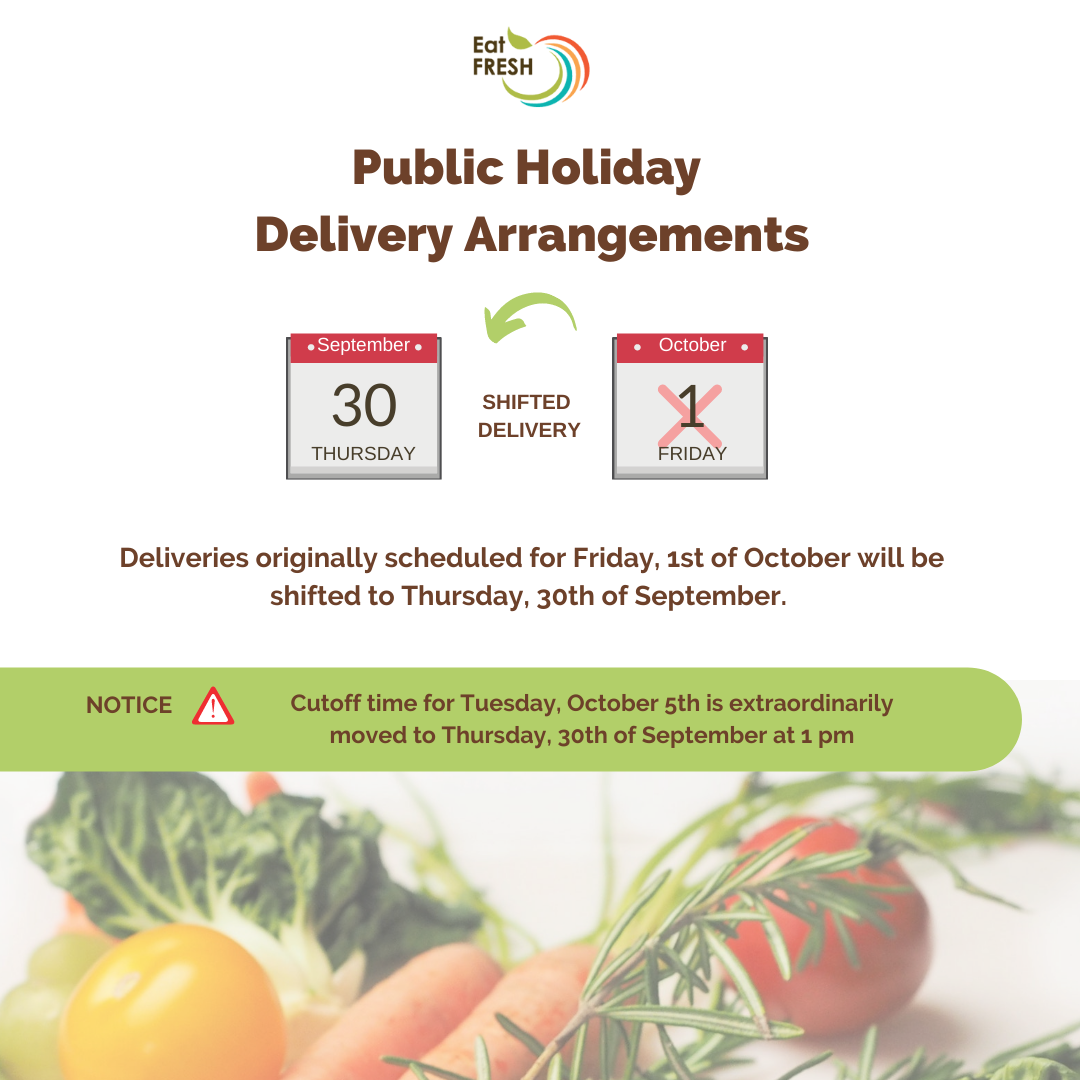
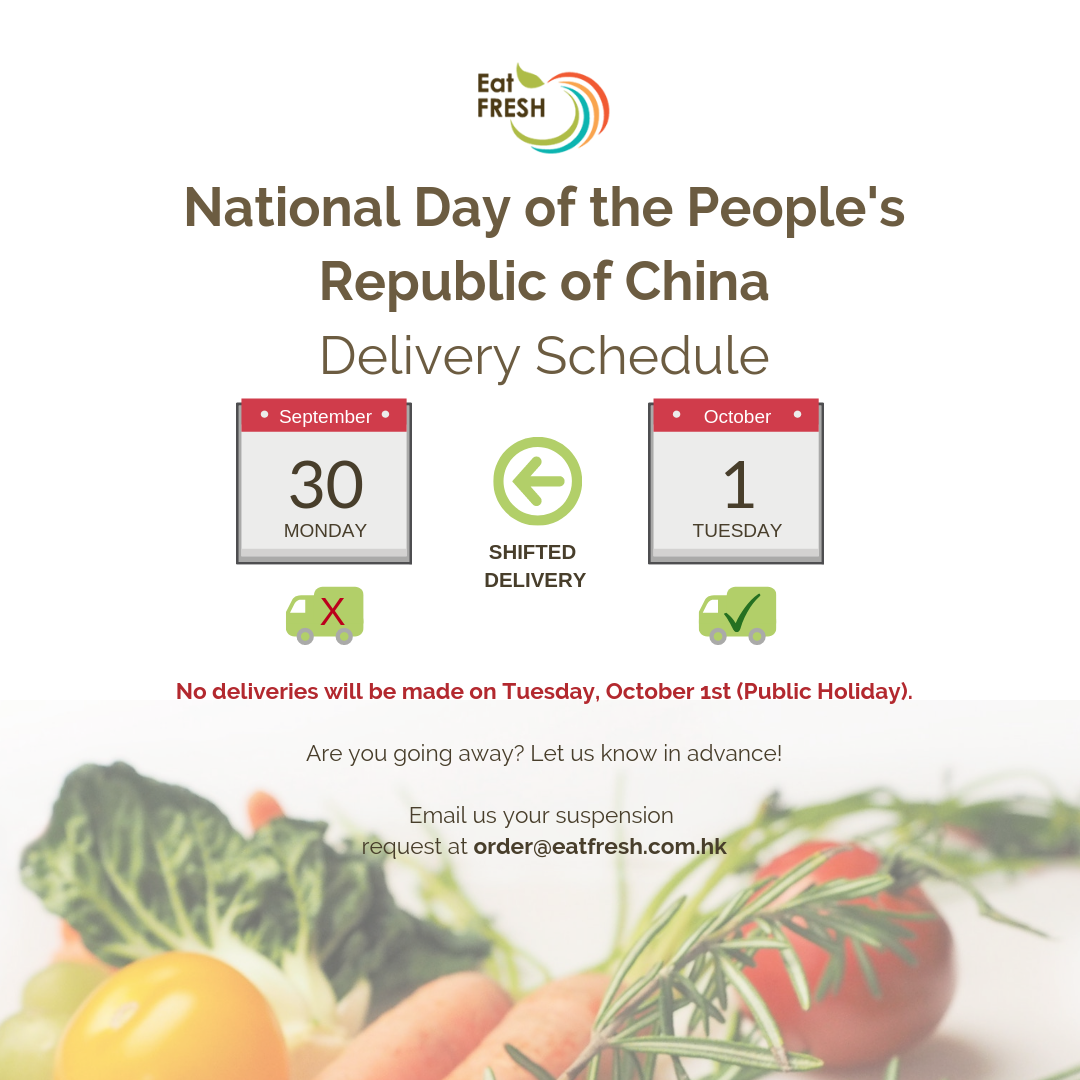
National Day Delivery Arrangement
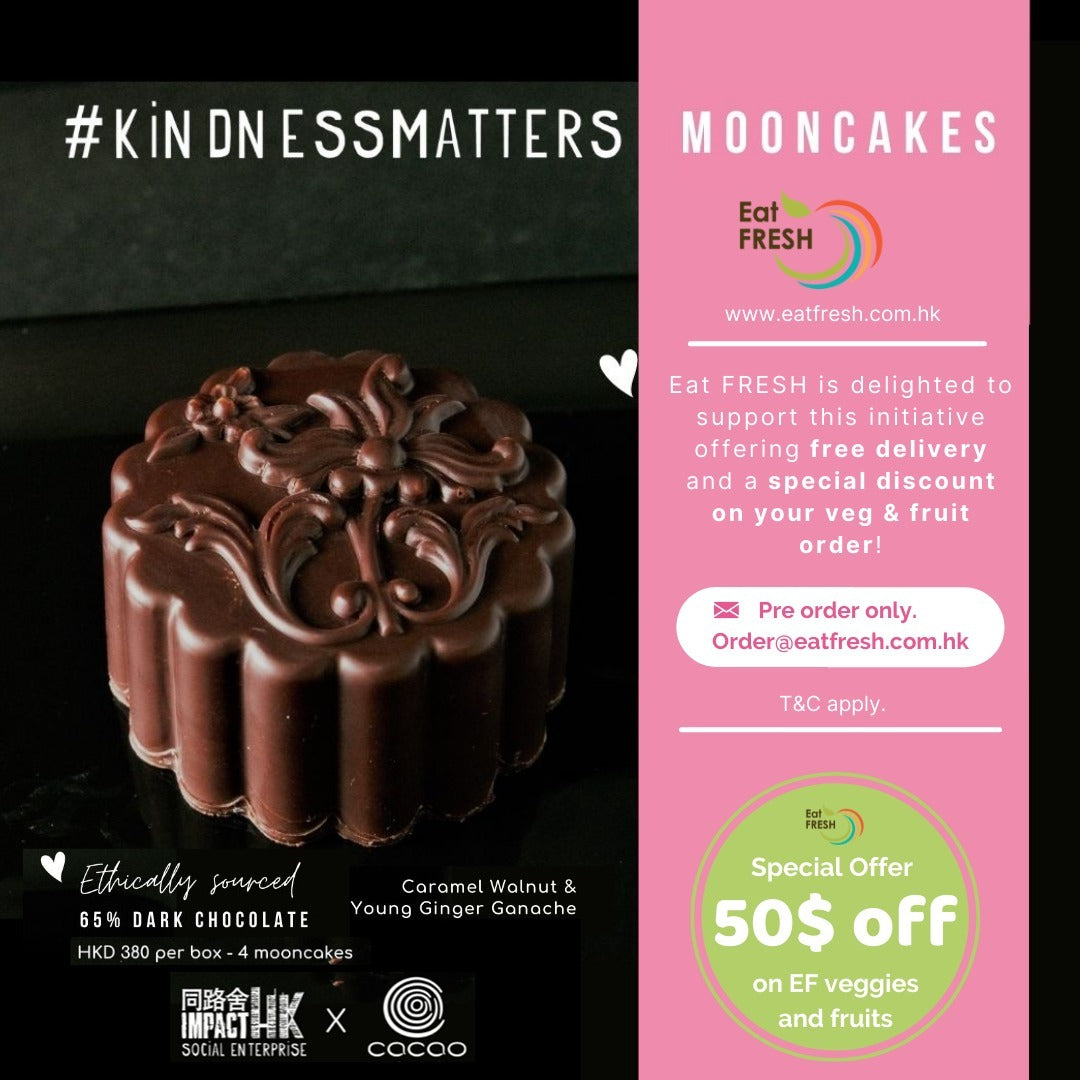
#Kindnessmatters Mooncakes 🌸🍫
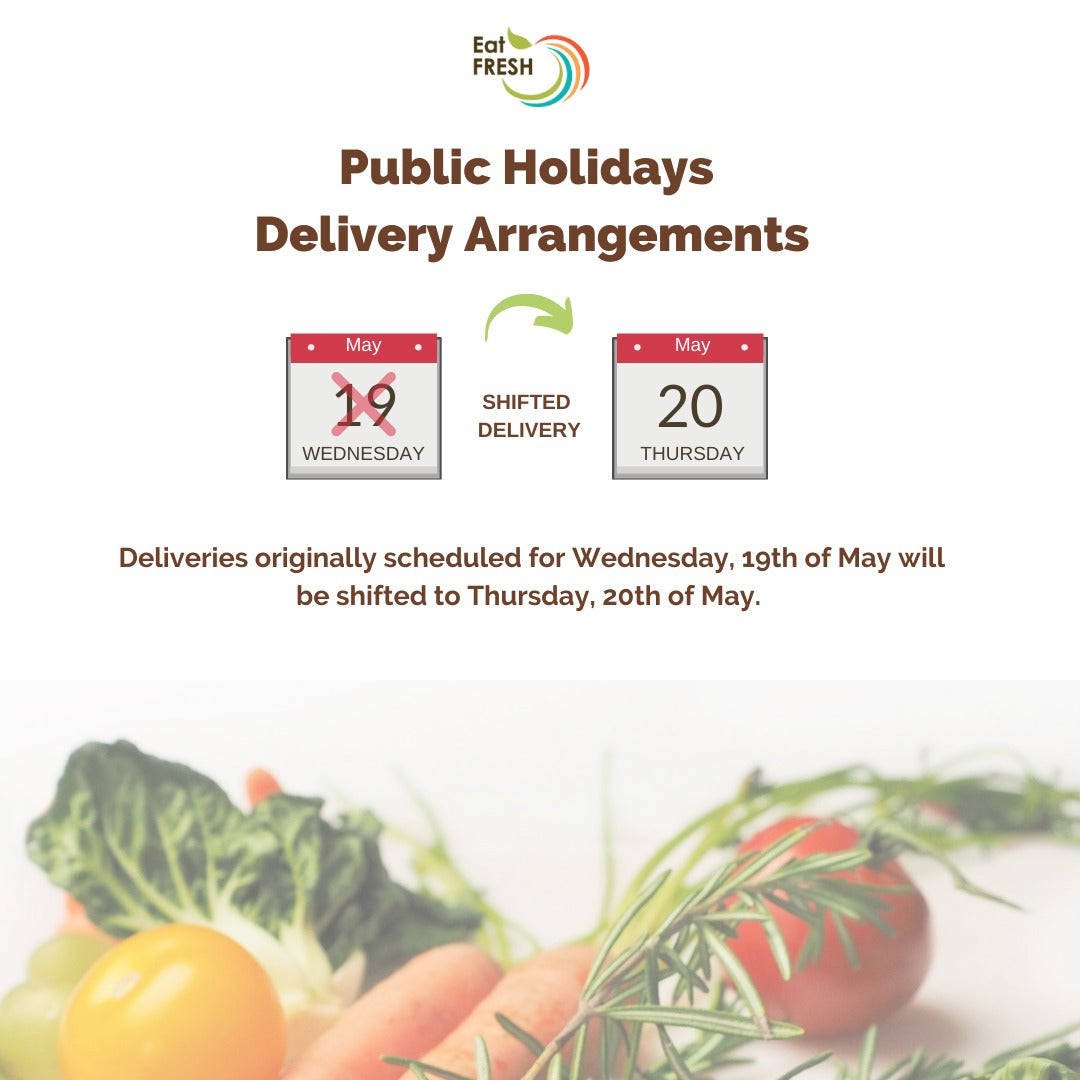
Buddha's Birthday Delivery Arrangement
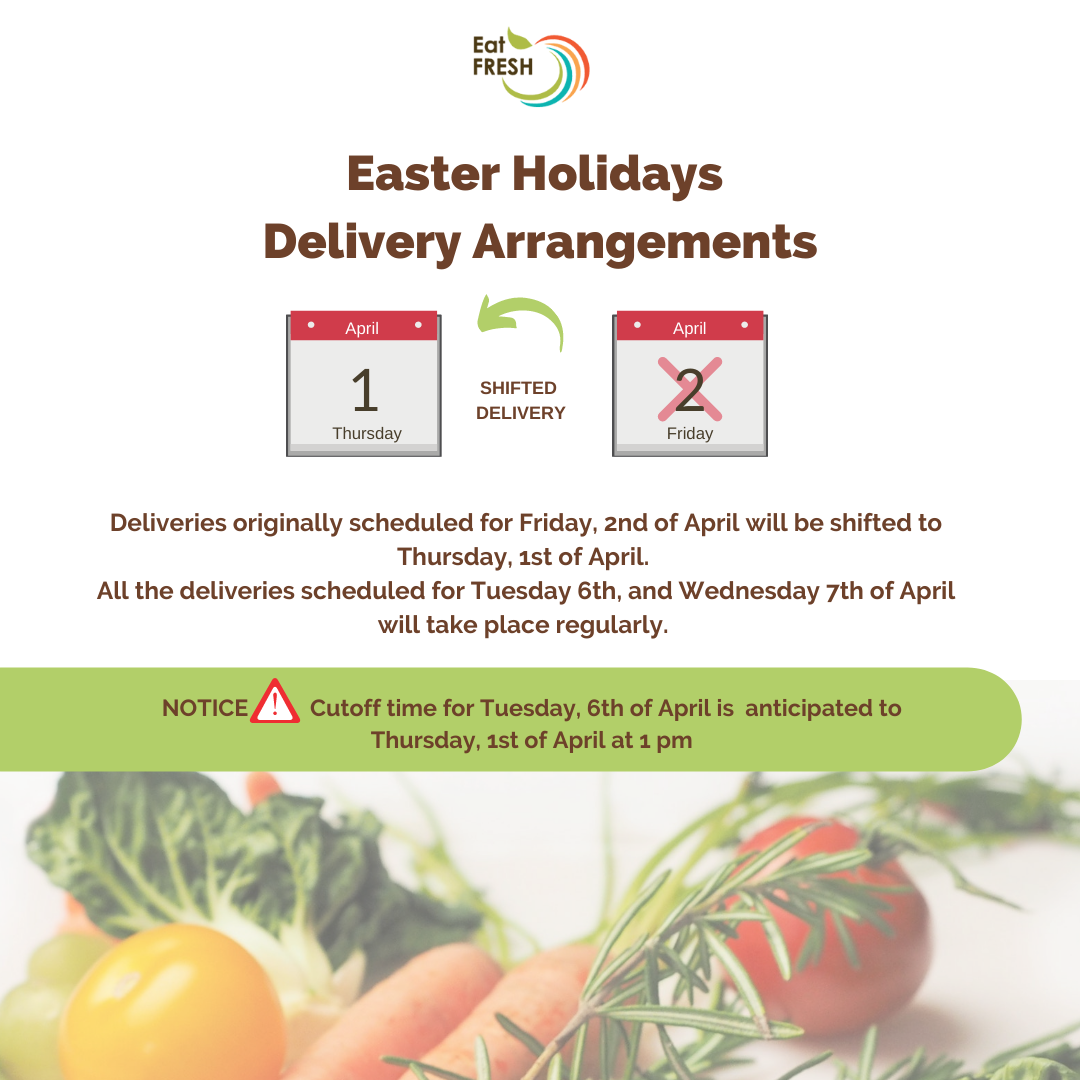
Easter Holidays Delivery Arrangements

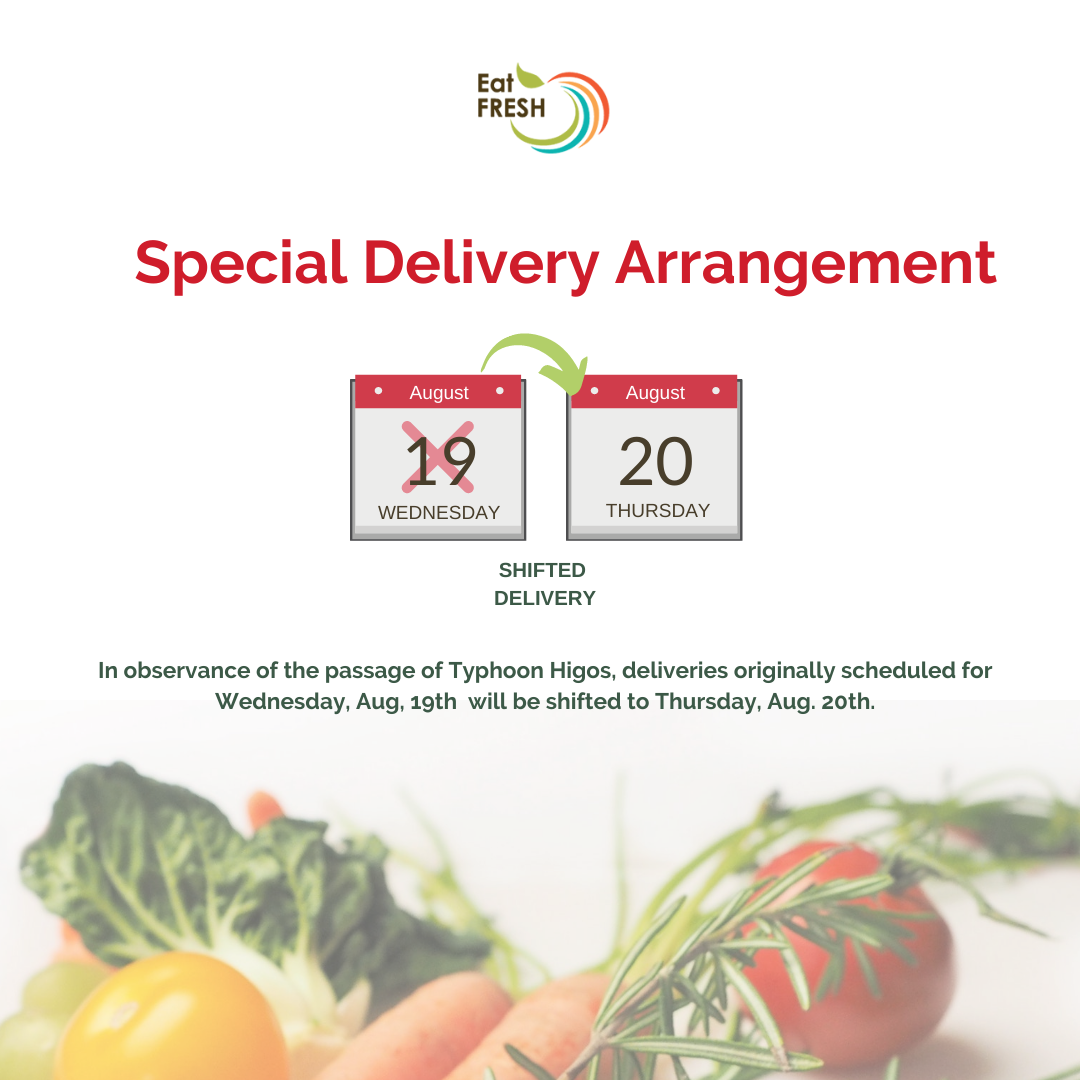
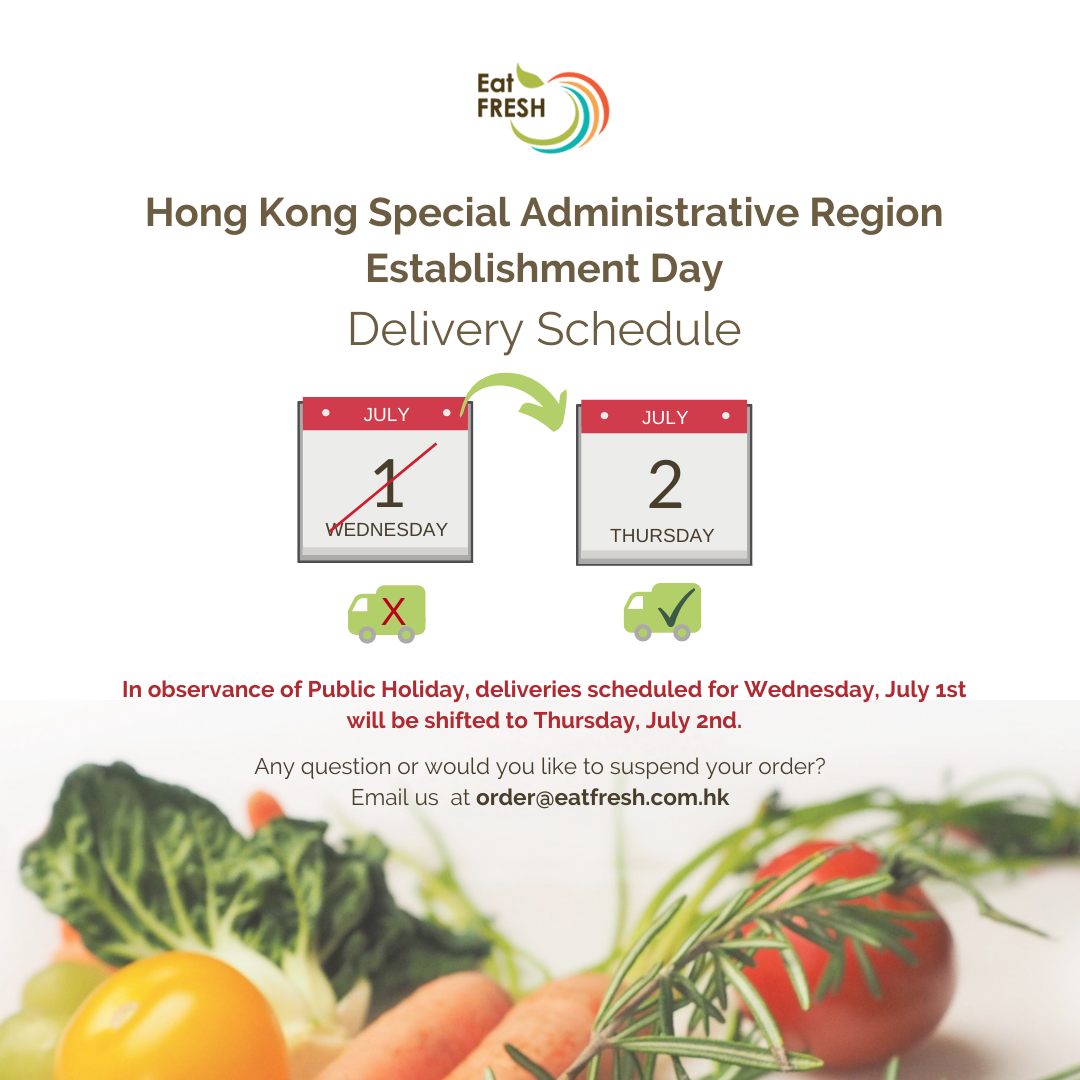

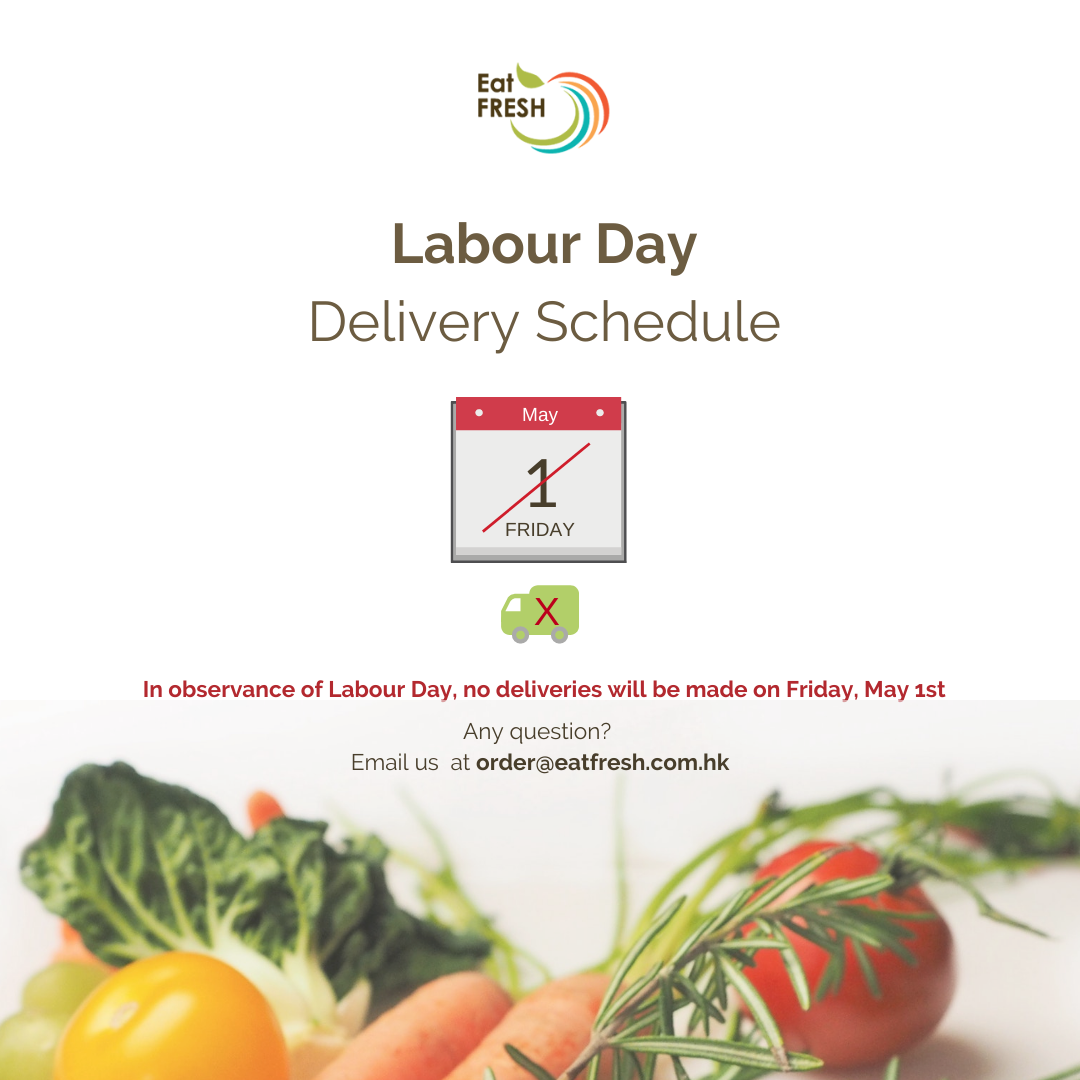
Labour Day - No deliveries on May 1st
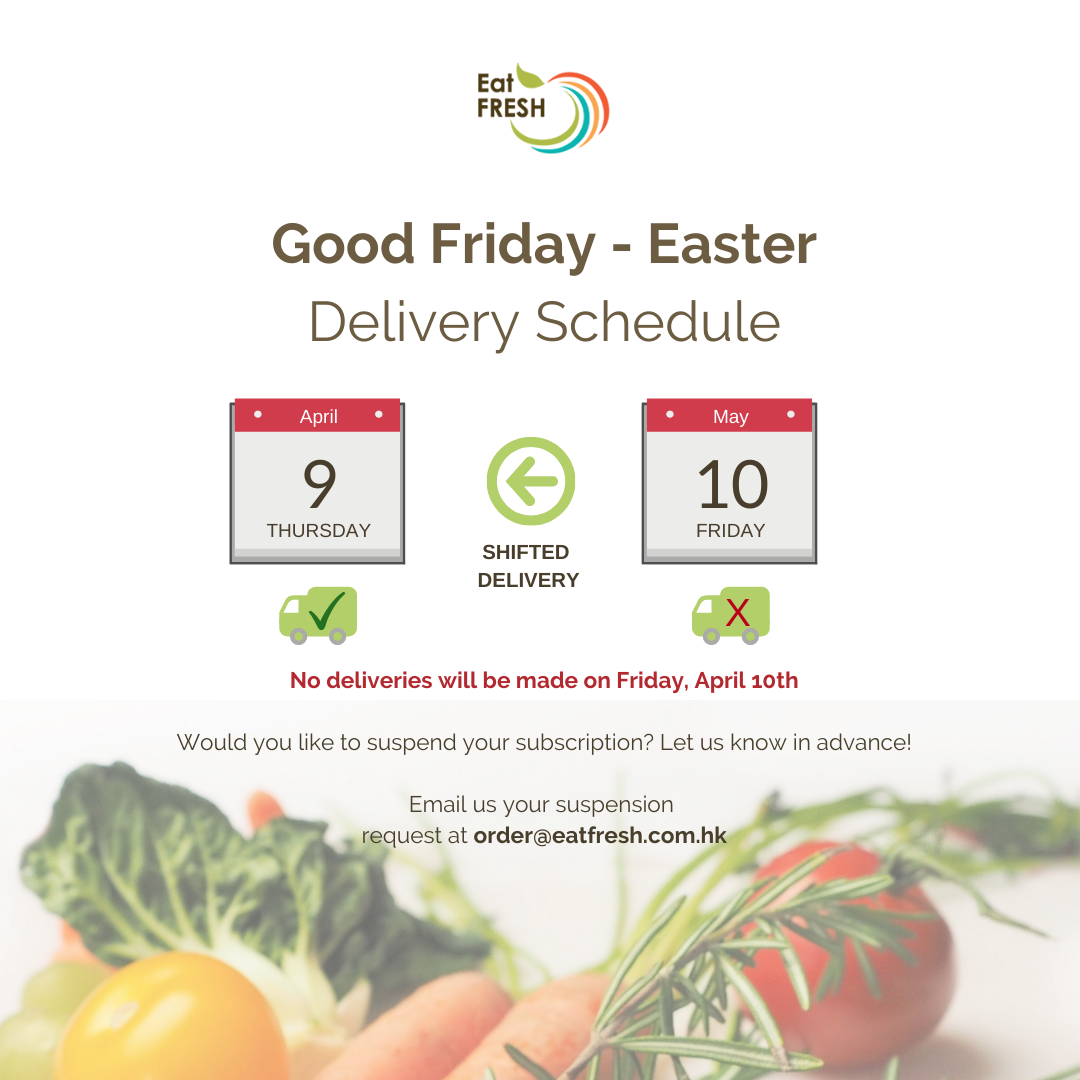
No Delivery on April 10th - Easter Holiday

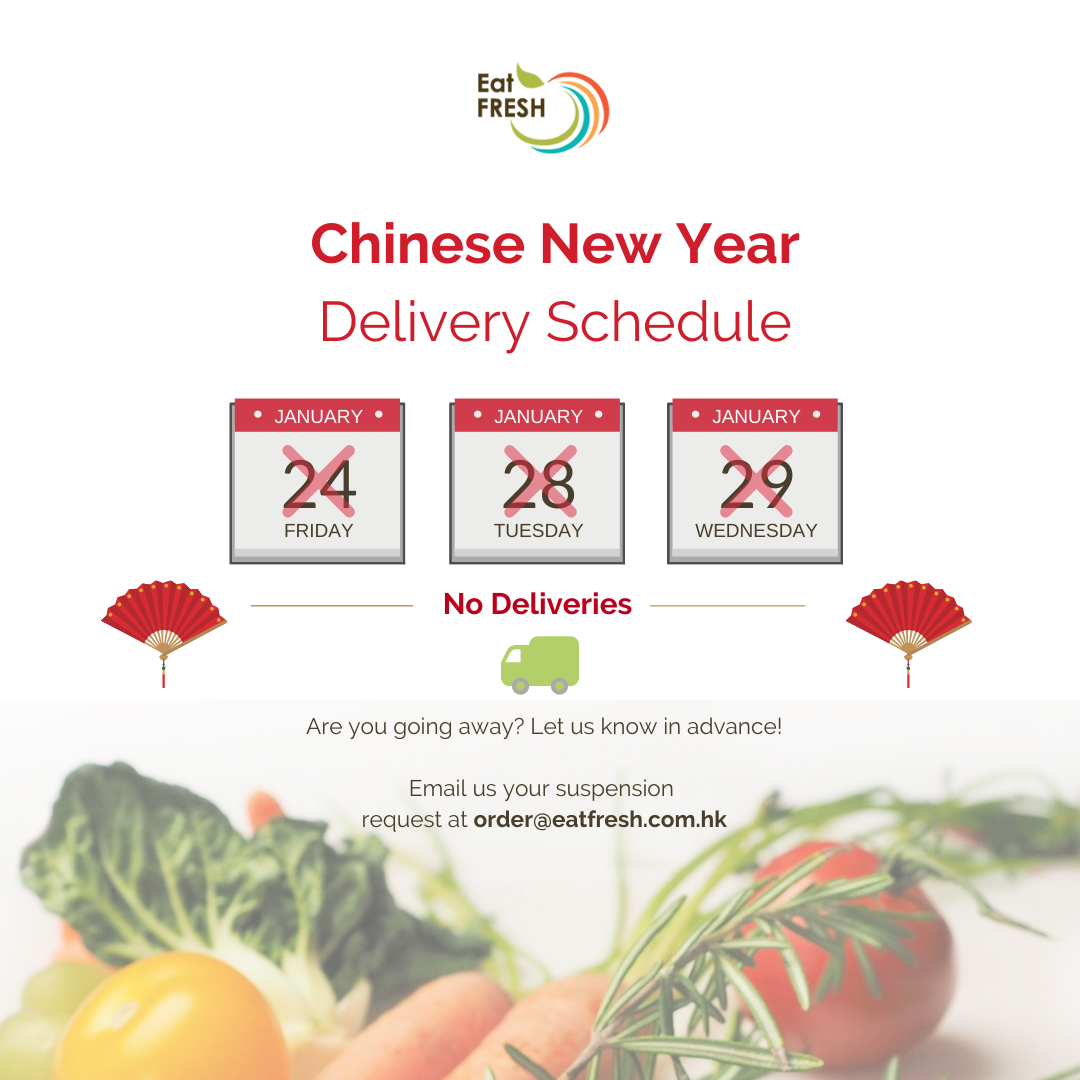
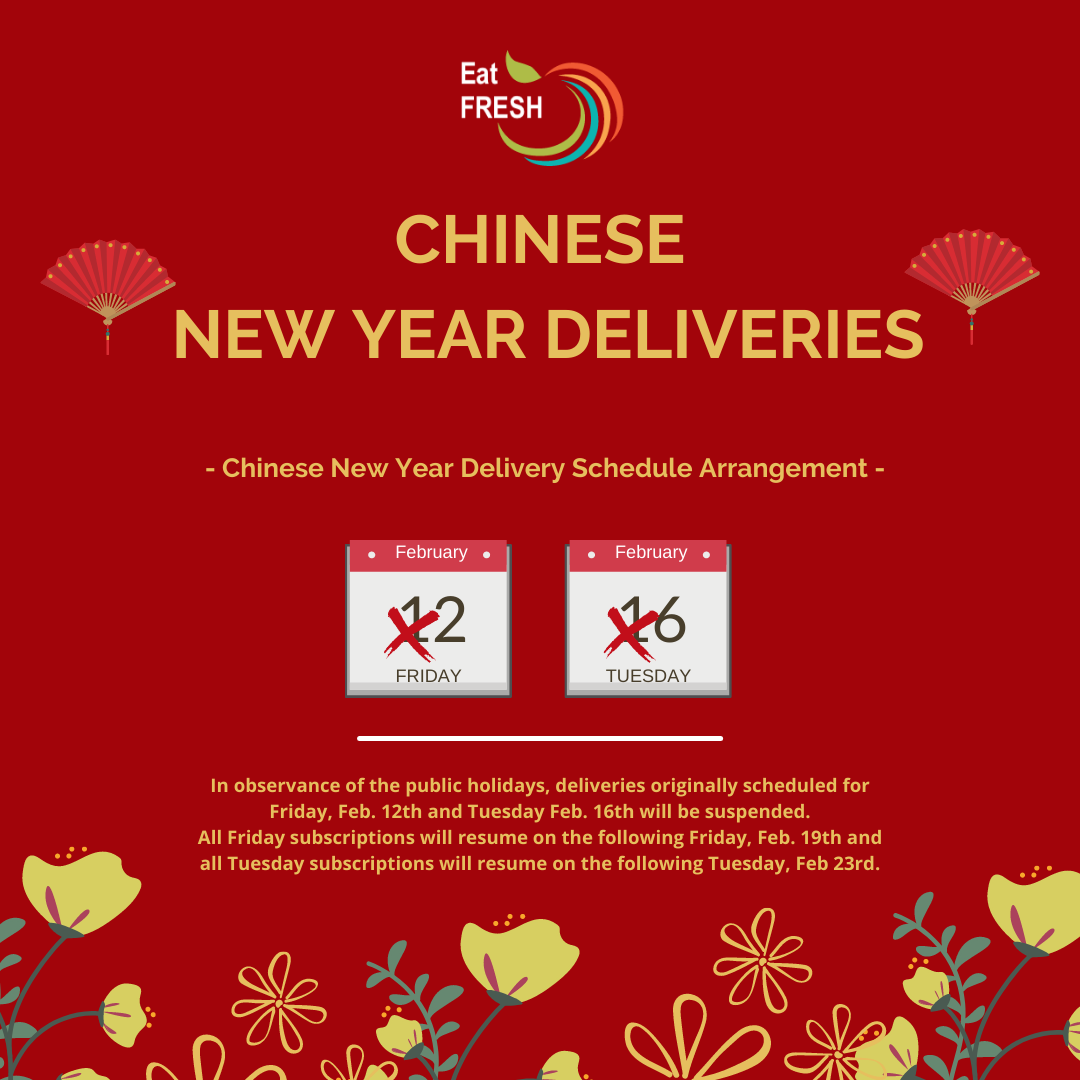
Chinese New Year Delivery Schedule
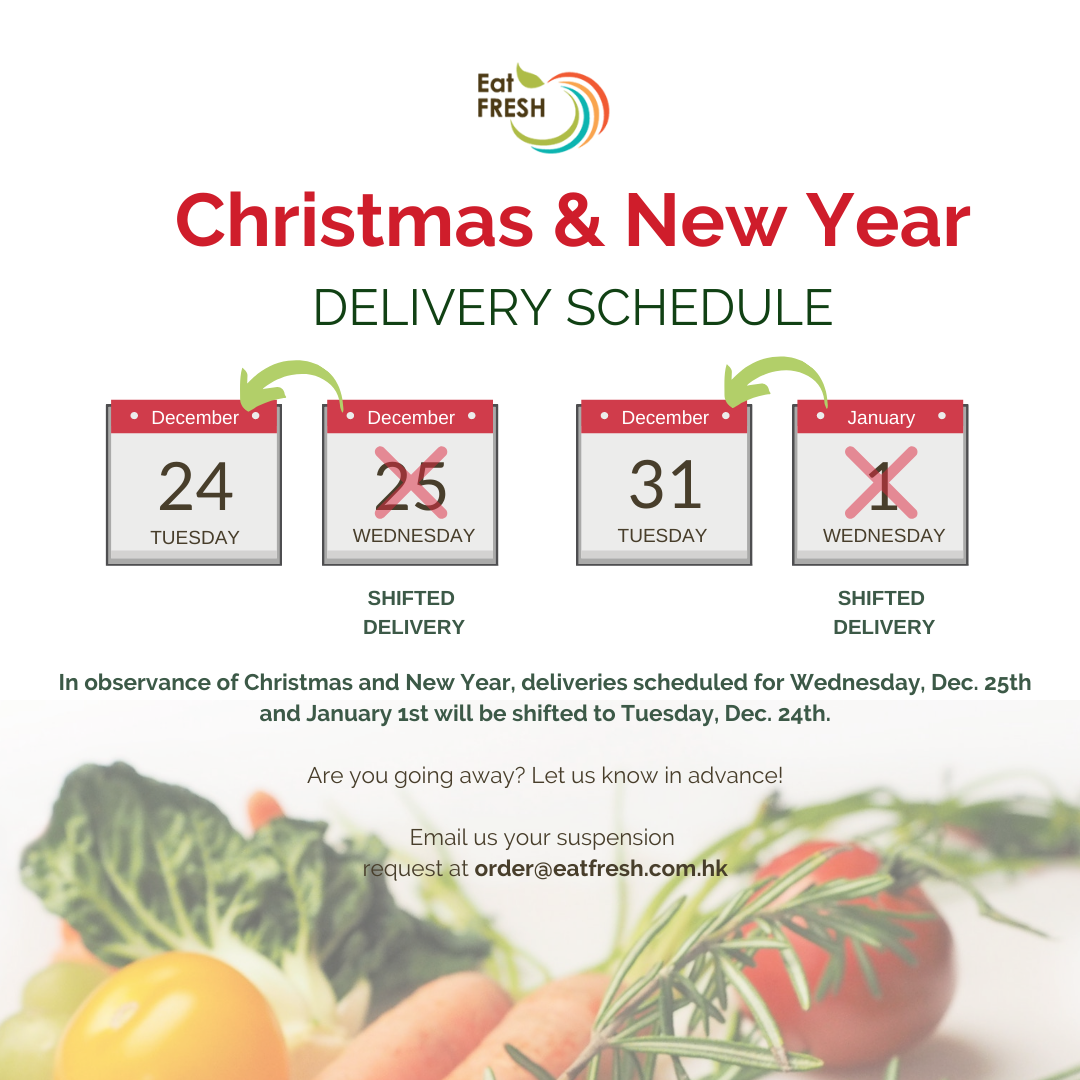
Christmas & New Year - Delivery Schedule
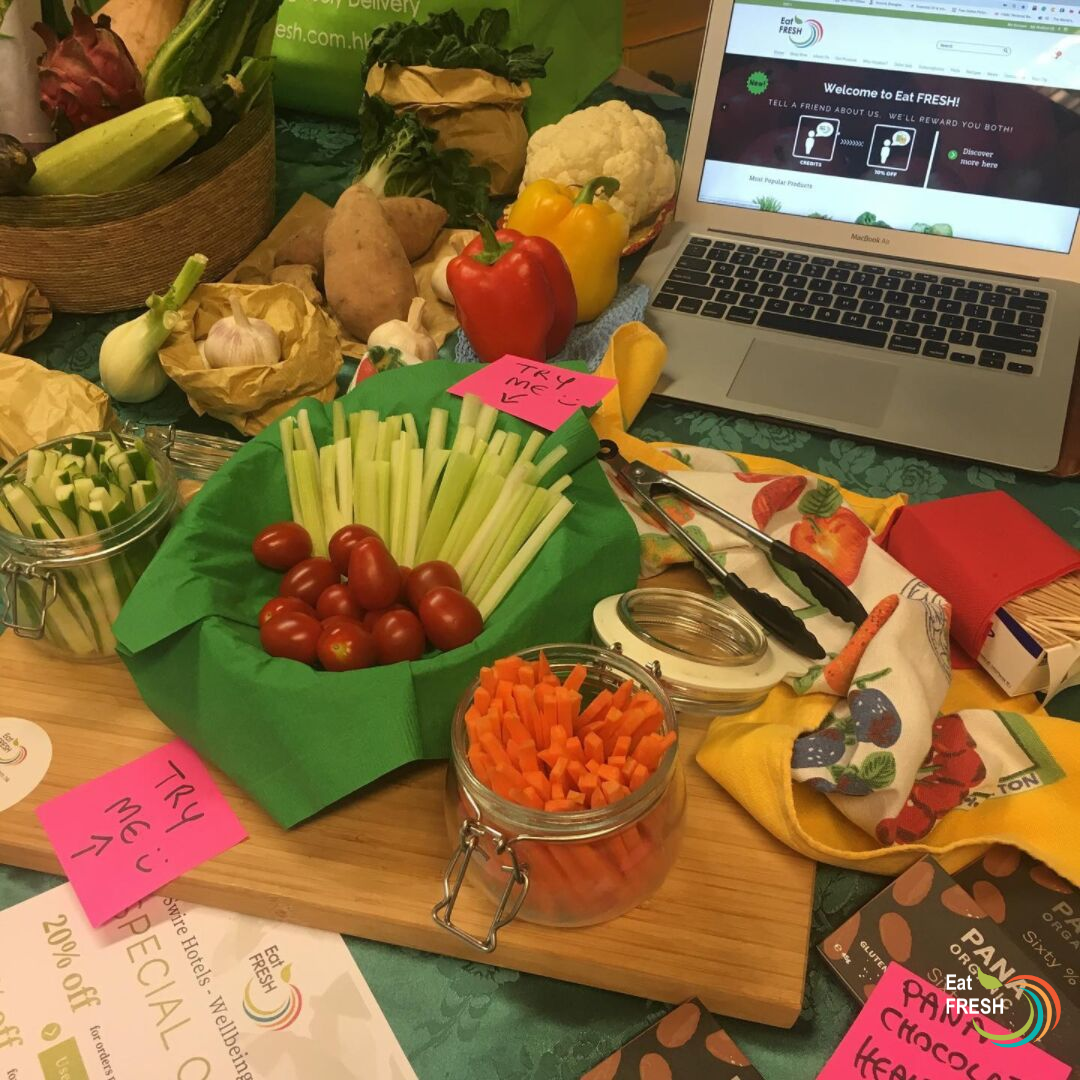

Chiara Ghinolfi Featured on Social Vegan HK
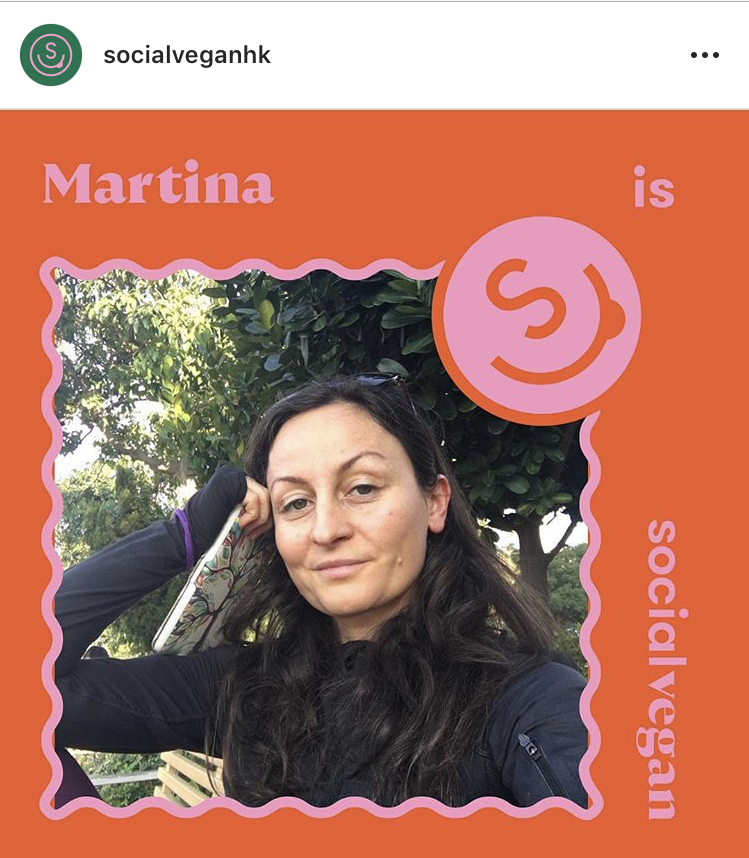
Martina Bin featured on Social Vegan HK
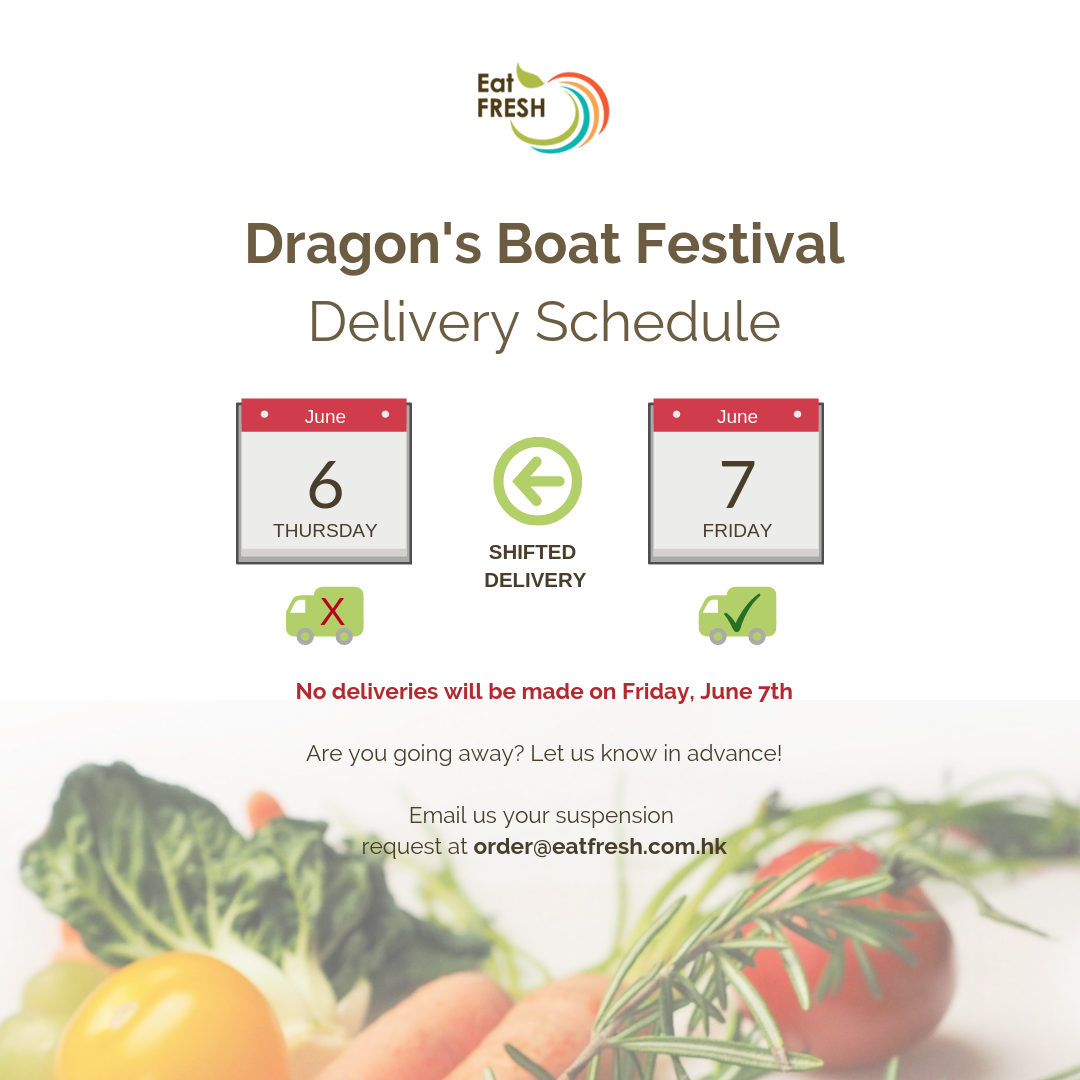
No Delivery on Friday, June 7th
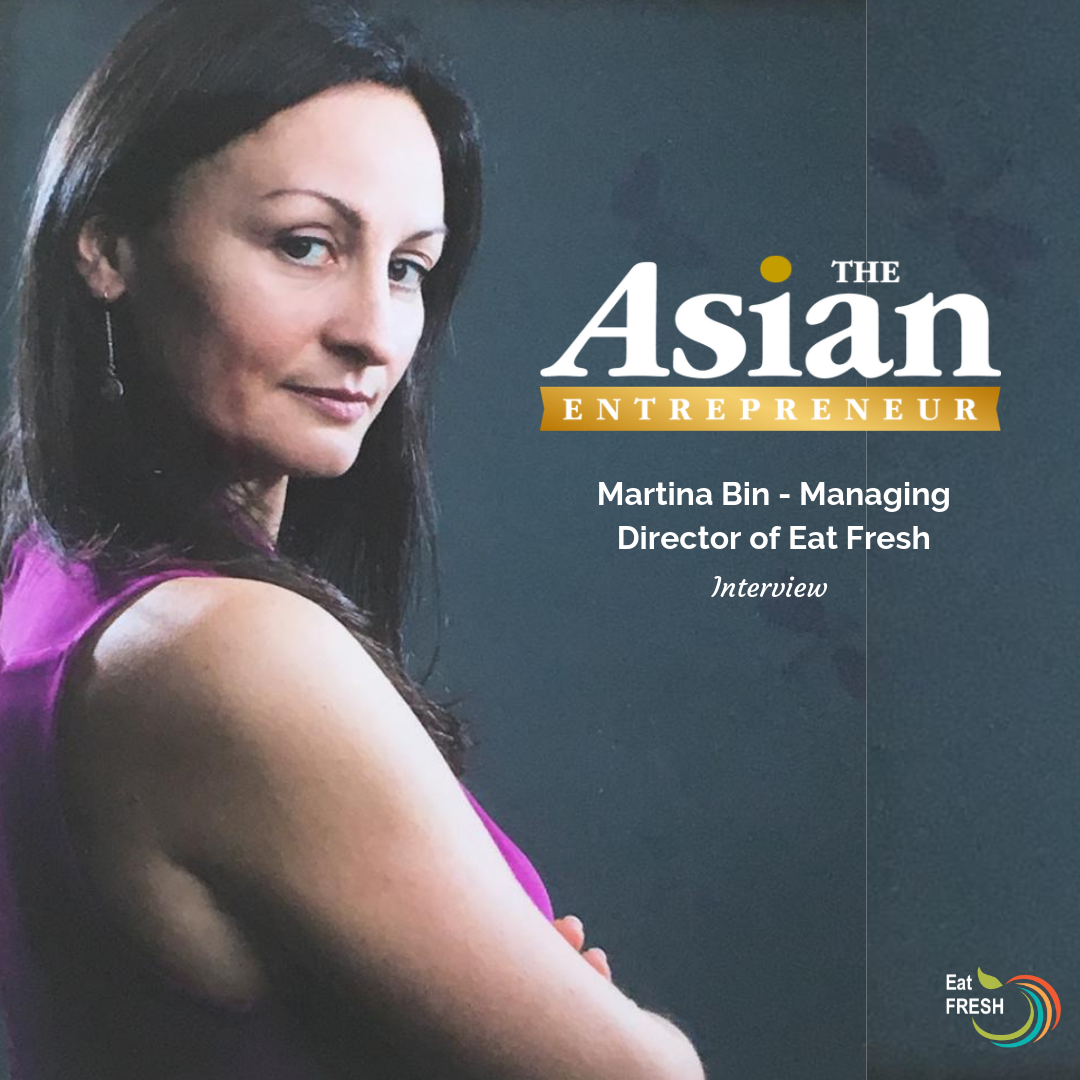
The Asian Entrepreneur - Martina Bin
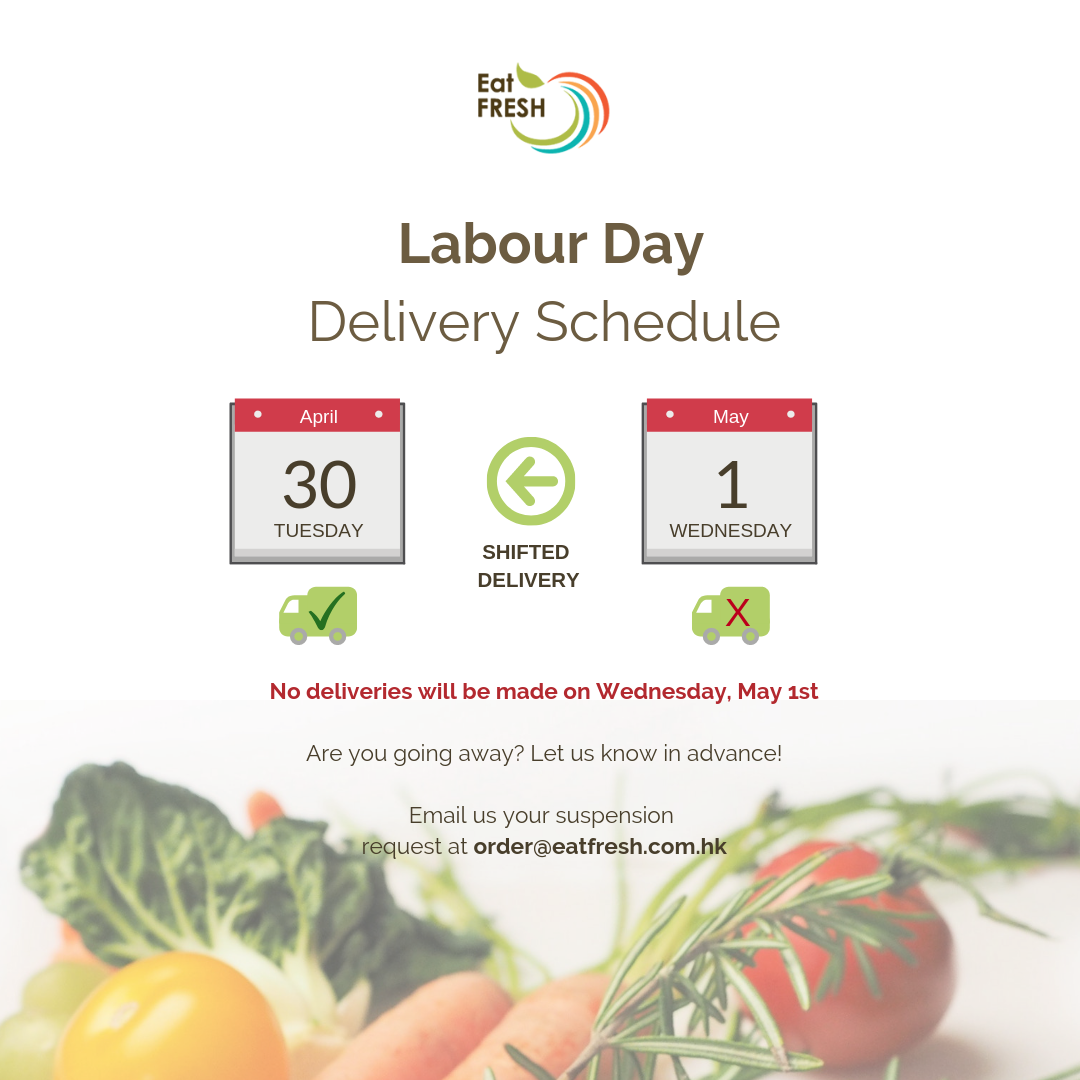
No Delivery on Wednesday, May 1st
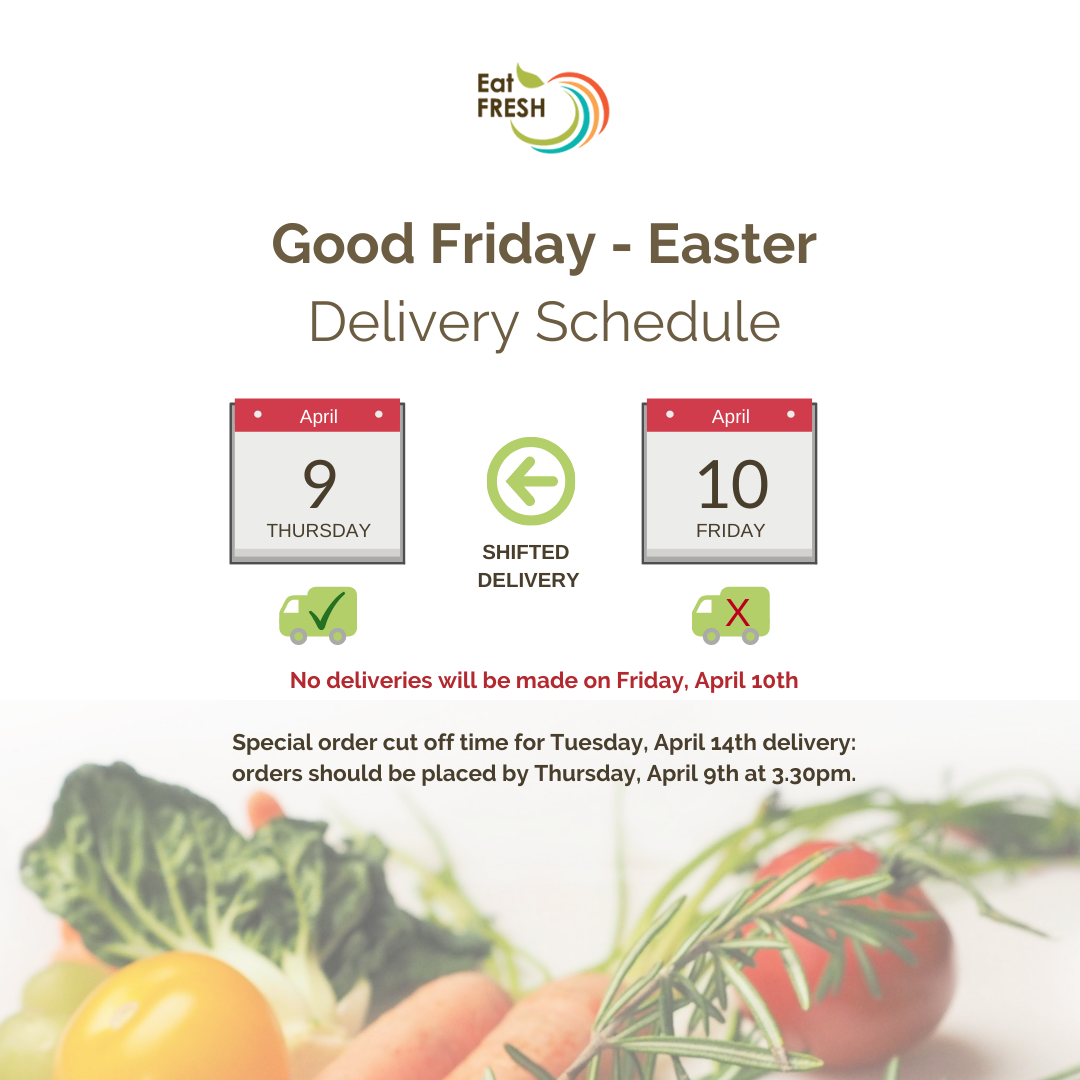
No delivery on Friday, April 10th
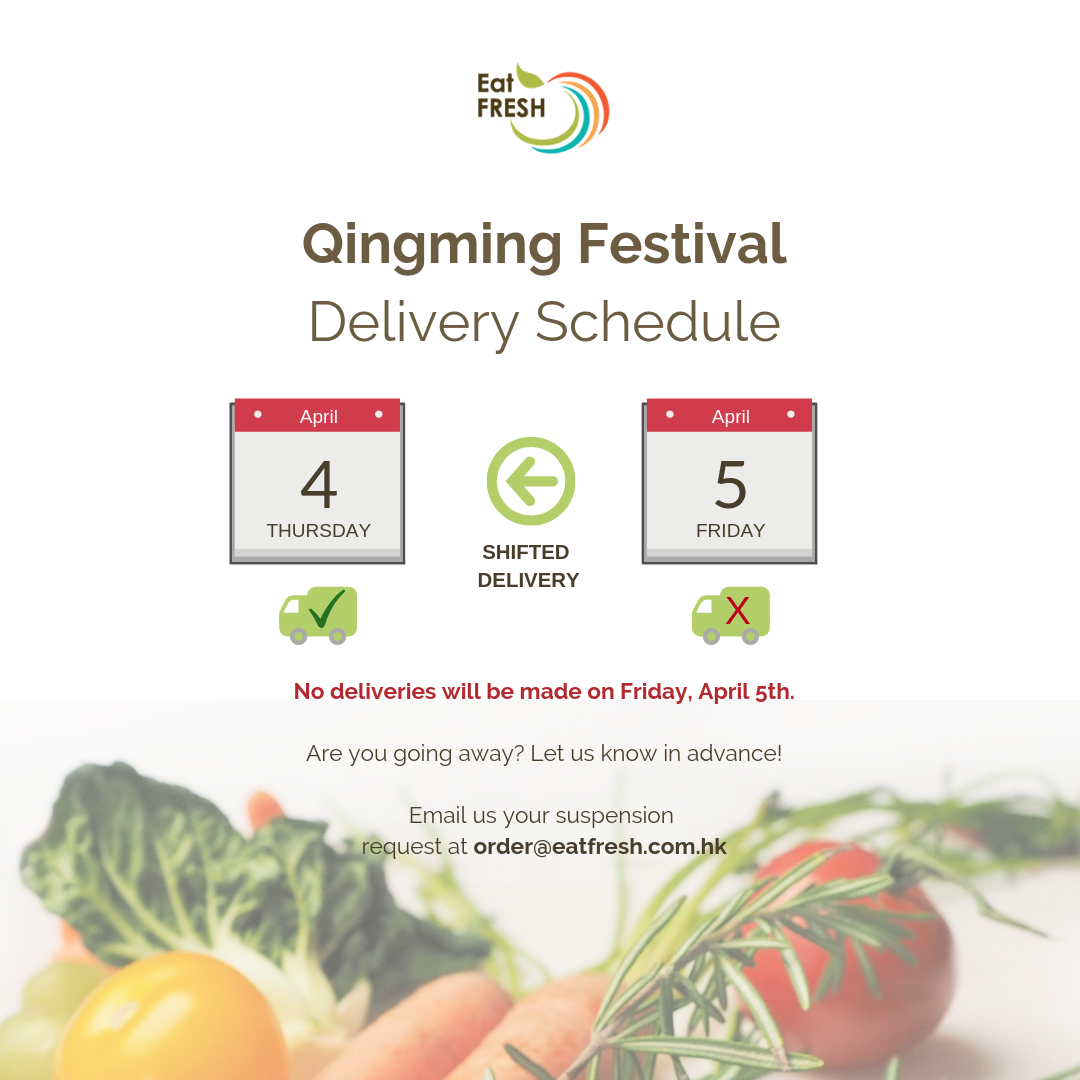
No delivery on Friday, April 5th
Help us in our GREEN effort!
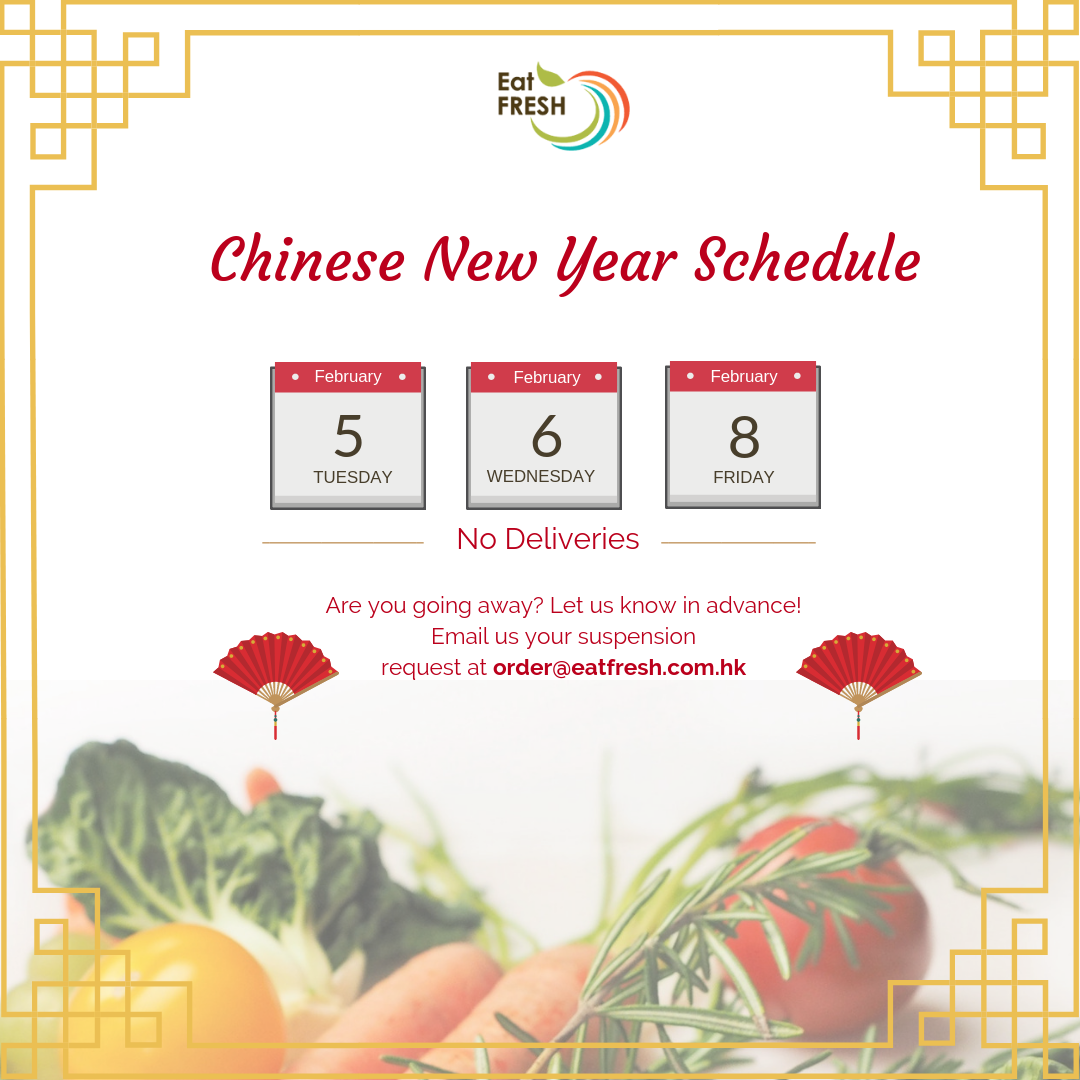
Chinese New Year Delivery Schedule